


Unite4Freedom
Forensic Investigations
Unite4Freedom’s credentialed investigators have deeply analyzed official state voter rolls from elections in 2020, 2022, and 2024. Millions of votes across the country, certified as accurate by election officials, originate from registrations that appear to violate election laws. Further research shows an alarming number of voters simply don’t exist in the time and space around the elections. Investigations also uncovered vote tampering—visible voter history edits made AFTER elections were certified or DURING early voting.
These reports are subjected to rigorous internal peer-review by our data-analytics team prior to publication guaranteeing trustworthy, scientifically sound analysis. They demonstrate clear evidence of dozens of blatant nationwide attacks on the election systems.
For years, federal election security mandates under the Voting Rights Act (VRA), National Voter Registration Act (NIVRA), Help America Vote Act (HAVA), and Federal Information Security Modernization Act (FISMA) have been waived or ignored, resulting in fully penetrated voting systems—a national security emergency.
Election Validity “Scorecards”
The results of the analyses completed using each state’s official records are compiled into an Election Validity Scorecard, which outlines apparent legal violations in voter registrations, votes, vote counts, and allowable vote errors.
Aggregate data from 2024 for 35 states with completed scorecards
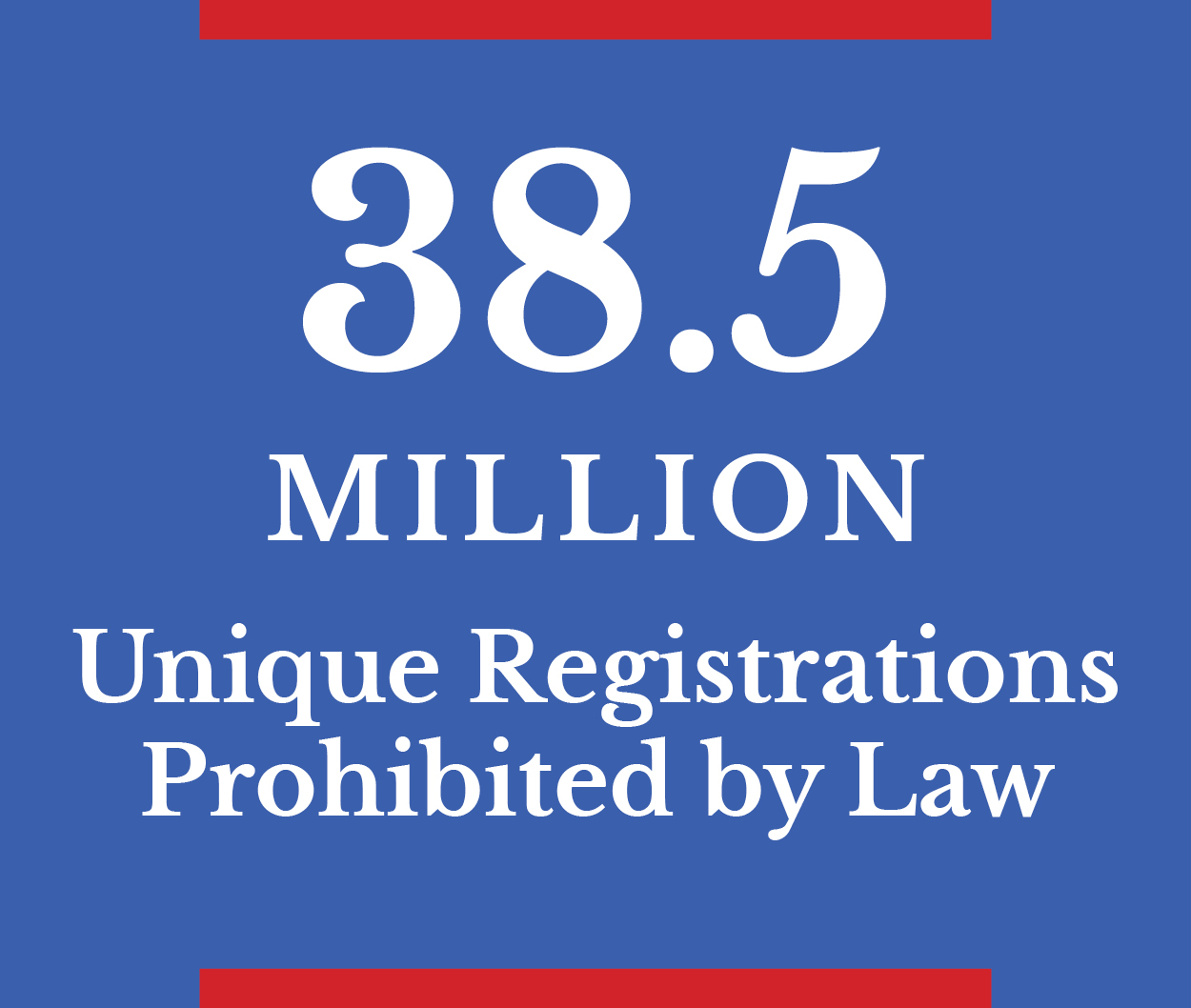
Registrations missing legally required information verifying identity and eligibility to vote.
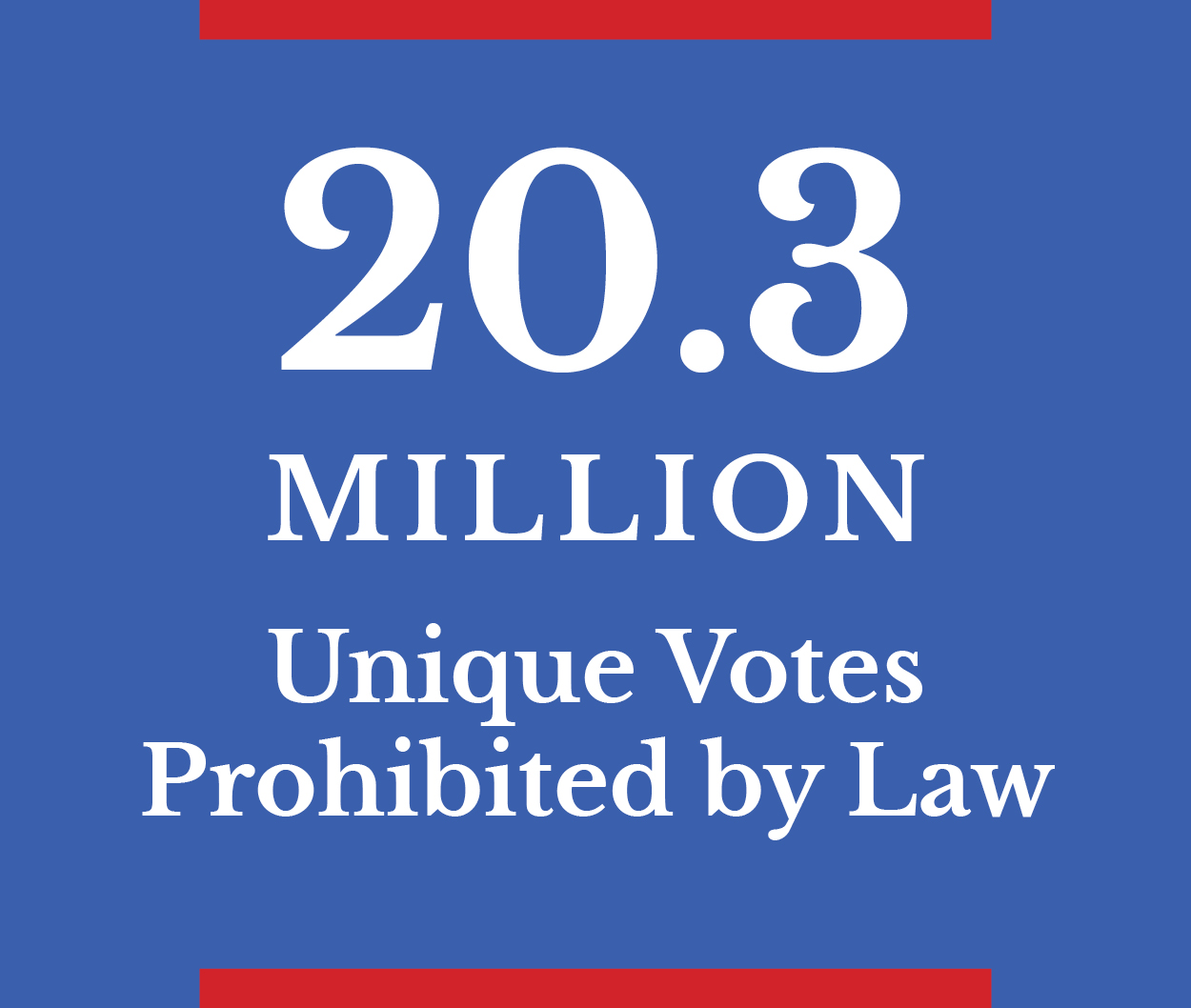
Registrants on voter rolls missing legally required information with votes counted in the election.
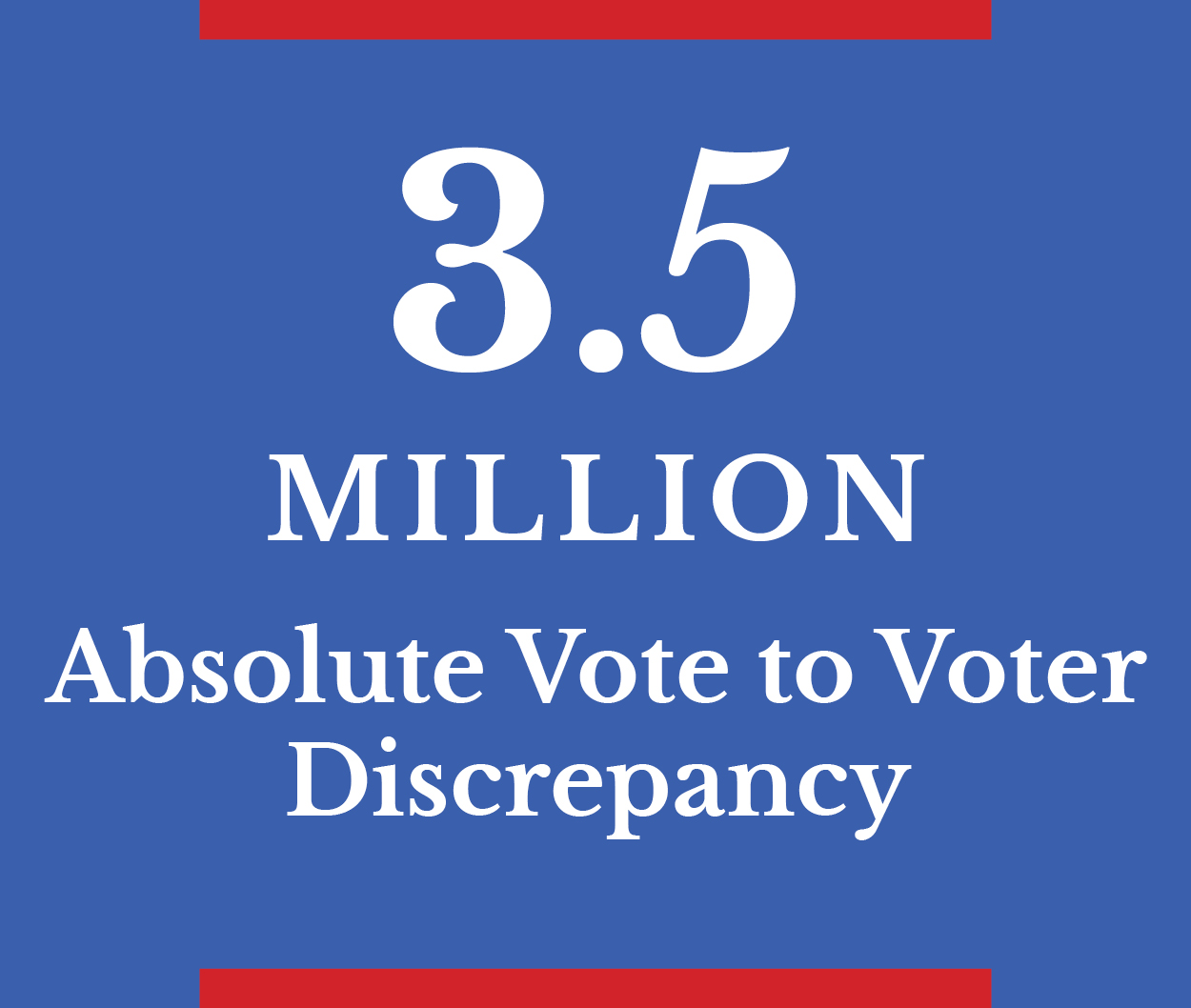
The difference between the official number of ballots counted and the number of voters recorded as having voted.
The total number of errors across 35 states is 23,799,222.
That number includes the number of registrants not legally qualified to vote who had ballots counted plus the difference between the number of votes counted and the voters who voted.
The total percentage of errors across those 35 states was 17.9%.
This clearly demonstrates that the election system in our country is returning inaccurate results that cannot be trusted—a violation of every citizen’s guaranteed right to accurate elections.
Phantom Voter Reports
“Phantom Voters” adopted this moniker for voters that had virtually no other footprints beyond casting a ballot in the elections studied. This means that, among other indicators, there is no bank account, no social media, no auto loan, no SNAP, no Medicaid footprint for these voters.
The Phantom Voter studies were conducted using Unite4Freedom’s copywritten process for performing comprehensive identity verification using commercially available fraud-prevention tools. Credentialed programmers and cybersecurity and election experts conducted the analysis using official state and county records received from their custodians. A private investigative firm assisted, producing law enforcement compliant evidence.
Each report shows how the states have failed their constitutional duty to know their voters.
Vote Tampering Report Summaries
These horizontal analyses compare voter participation history (not actual votes) over various periods of time. These data changes don’t appear to represent simple mistakes or normal reporting errors. Because these issues are repeated and significant, they should be formally investigated and reviewed under state and federal election laws.
Low Resolution Vote Tampering Reports
Changes to voter participation histories AFTER election certification.
These analyses compare voter history data from multiple timestamped snapshots of the state’s official voter database and identify additions and deletions of voter histories and, in some cases, the voters themselves.
Medium Resolution Vote Tampering Reports
Changes to voter participation histories AFTER election certification.
Like the Low Resolution Reports, these analyses compare voter history data from multiple timestamped snapshots of the state’s official voter database. The difference is that there is a greater number of datasets being compared over time.
High Frequency Vote Tampering Reports
Changes to voter participation histories DURING an election.
These analyses compared daily snapshots of election records from the Texas Secretary of State’s website during early voting in Texas’s 2024 General Election and 2026 Democratic and Republican Primary Elections. The state’s published files are expected to reflect the official list of all voters who had cast ballots during the early voting period for the elections.
This work represents thousands of hours, and equates to millions of dollars in programming, analysis, and legal research, and has been done exclusively by highly credentialed volunteers, but there are additional expenses that are required to support this research. In some states, access to the state data costs thousands of dollars.
Please show your support!

